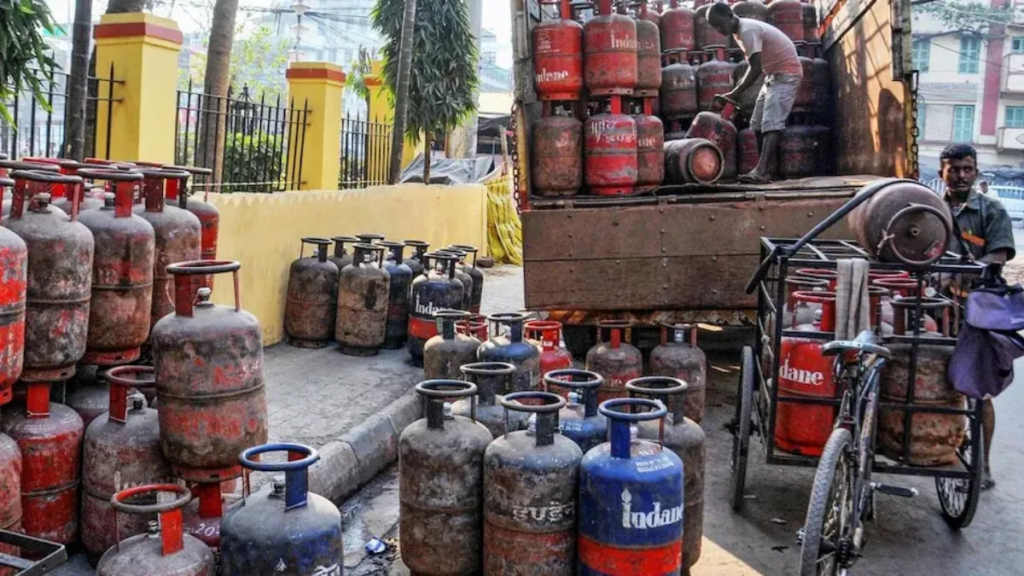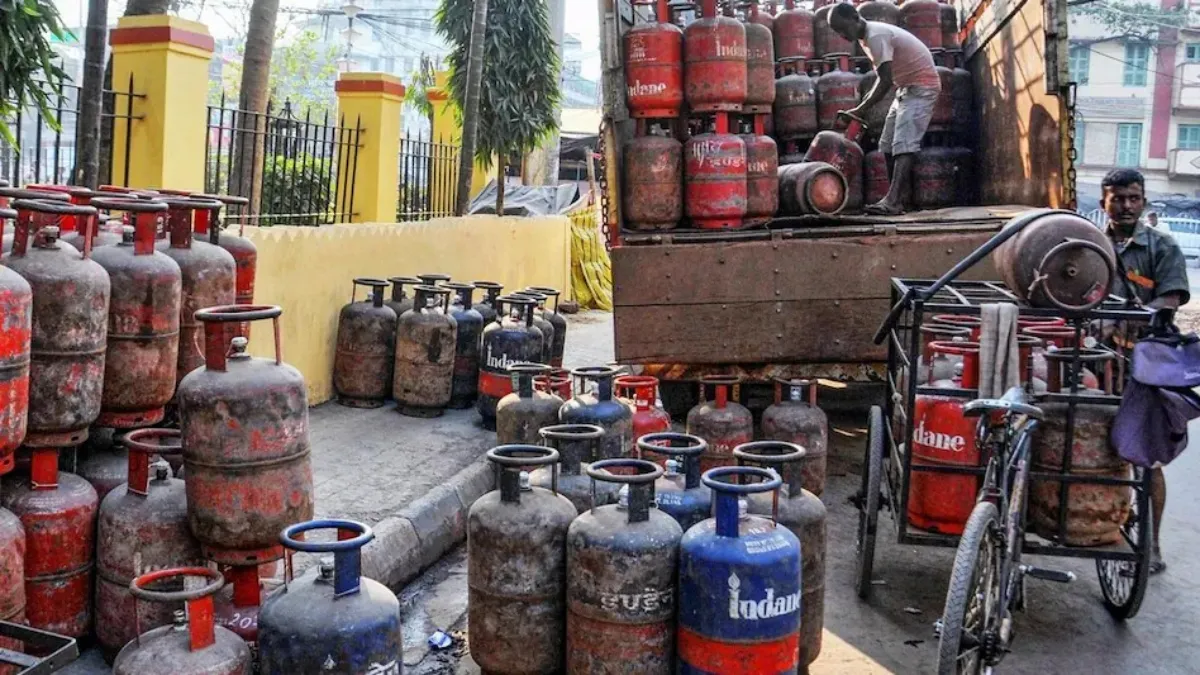
Oil marketing companies (OMCs) like Indian Oil Corporation (IOCL), Bharat Petroleum (BPCL), and Hindustan Petroleum (HPCL) implemented a massive hike in commercial LPG prices. The 19 kg commercial cylinder price jumped by nearly ₹993, pushing rates in Delhi to ₹3,071.50. This marks the steepest single-month increase on record and the third consecutive monthly revision amid global energy turmoil linked to West Asia conflicts.
While domestic 14.2 kg LPG cylinders remain unchanged to shield households, commercial users—primarily businesses – bear the full brunt. This selective pricing has triggered widespread concern across hospitality, food services, manufacturing, and small enterprises. With cumulative hikes exceeding ₹1,400–1,500 since January 2026 in many cities, the impact ripples through supply chains, threatening profitability, employment, and consumer prices.
This detailed article explores the hike’s causes, sector-specific effects, economic ramifications, business responses, policy context, and long-term outlook. It aims to provide actionable insights for stakeholders.
Understanding the Commercial LPG Price Hike: Facts and Figures
Commercial LPG (19 kg cylinders) serves hotels, restaurants, cloud kitchens, bakeries, street vendors, PG/hostels, and industrial applications like packaged food production. Unlike subsidized domestic LPG, commercial cylinders reflect international prices more closely.
Recent Price Trajectory (Delhi 19 kg cylinder, approximate):
– Early 2026/January: Around ₹1,580–1,691
– March 1: +₹114.50
– March 7: Additional adjustment
– April 1: +₹195.50 (to ~₹2,078.50)
– May 1, 2026: +₹993 (to ₹3,071.50)
Similar spikes occurred nationwide:
– Mumbai: ~₹3,024
– Bengaluru: ~₹3,152
– Kolkata: ~₹3,202
– Hyderabad: ~₹3,315
A nearly 94% surge since January in some metrics highlights the volatility. Smaller 5 kg commercial cylinders also rose significantly.
Why the Hike? Global Factors Dominate
The primary driver is surging global LPG and crude prices due to geopolitical tensions in West Asia (Iran-related conflicts disrupting supply routes like the Strait of Hormuz). Higher import costs, currency fluctuations, and OMC under-recoveries on domestic fuels force pass-through to commercial segments, which represent less than 1% of total LPG consumption.
OMCs absorb losses on domestic supplies while adjusting bulk/commercial prices. International benchmarks for LPG have climbed sharply, compounded by supply chain issues.
### Direct Impact on the Hospitality and Restaurant Sector
Hospitality is one of the hardest-hit sectors. Energy costs often comprise 8-15% of operating expenses for restaurants and hotels, with LPG central to cooking.
Key Challenges:
– Cost Escalation: A mid-sized restaurant using 10-20 cylinders monthly now faces an extra ₹10,000–20,000+ per month. Larger hotels or chains with dozens of outlets could see lakh-rupee monthly increases.
– Margin Squeeze: Many eateries operate on thin 10-20% margins. This hike could wipe out profits or force closures, especially for small and medium enterprises (SMEs).
– Menu Price Adjustments: Industry bodies like the Federation of Hotel & Restaurant Associations of India (FHRAI) indicate 10-15% menu price hikes are inevitable. Andhra Pradesh hotels have already announced 10% increases.
– Regional Stories: In Hyderabad’s Food Street, operators express resignation, some shifting to wood-fired stoves or induction. Bengaluru and Chennai hotels report similar burdens. Gurgaon restaurateurs weigh gradual pass-ons to avoid losing customers.
Cloud kitchens and QSRs (quick-service restaurants), already pressured by high rentals and delivery commissions, face amplified risks. Street vendors and dhabas, vital to India’s food ecosystem, may struggle more due to limited pricing power.
Employment Angle: Reduced operations or closures threaten jobs for chefs, waitstaff, and support workers. The sector employs millions, with multiplier effects on allied industries like farming and logistics.
### Effects on Packaged Food, Bakeries, and Manufacturing
Beyond cooking, commercial LPG powers industrial processes:
– Packaged Foods: Frying, baking, and sterilization are energy-intensive. Manufacturers report 1-2% overall cost increases, higher for snack and ready-to-eat segments. This contributes to broader food inflation.
– Bakeries and Confectioneries: Continuous oven use makes them vulnerable. Small bakeries may consolidate or raise prices significantly.
– Other Industries: Textiles (drying), ceramics, pharmaceuticals, and auto component units using LPG for heating face higher input costs, potentially reducing competitiveness in export markets.
MSMEs, forming the backbone of Indian manufacturing, lack easy access to alternatives or hedging tools, amplifying vulnerability.
### Broader Economic and Supply Chain Ripples
Inflation Transmission: Higher business costs eventually reach consumers via elevated restaurant bills and grocery prices. While official CPI may show muted direct impact (commercial LPG is a small consumption slice), localized food inflation affects middle-class budgets.
Regional Disparities: Metro cities with high business density (Delhi-NCR, Mumbai, Bengaluru) feel immediate pain. Tier-2/3 cities and rural eateries, reliant on commercial cylinders, may see slower but deeper impacts due to lower consumer spending power.
Small Businesses and Informal Sector: Millions of tea stalls, mess operators, and PG hostels operate on razor-thin margins. Black market reports (cylinders at ₹6,000+) indicate supply strains and evasion risks.
Inter-Sector Linkages: Higher costs for hotels reduce tourism spending multipliers. Food delivery platforms may see order value changes or commission adjustments.
### Business Adaptation Strategies
Forward-thinking businesses adopt varied responses:
1. Fuel Diversification: Switching to PNG (piped natural gas) where available (cheaper long-term but high setup costs and limited coverage). Induction/electric, where electricity tariffs allow: biomass, wood, or solar-assisted systems for larger setups.
2. Efficiency Measures: Energy audits, modern, efficient burners, better insulation, and staff training to reduce consumption by 10-20%.
3. Menu and Operational Optimization: Focus on low-energy dishes, smaller portions, or value combos – bulk purchasing or group negotiations with suppliers.
4. Technology Integration: IoT monitoring for gas usage, predictive maintenance.
5. Price and Revenue Management: Dynamic pricing, loyalty programs, and premium offerings to offset costs without broad hikes.
6. Advocacy: Associations petition for relief, subsidies on commercial LPG, or faster PNG infrastructure rollout.
Larger chains with scale and capital adapt faster; SMEs risk being left behind, accelerating market consolidation.
### Government Policy Context and Stakeholder Views
The government insulates domestic consumers (33 crore+ households) and domestic aviation, prioritizing social stability. Commercial adjustments align with “targeted” subsidy principles, as commercial use is commercial.
Critics argue the sharp hike burdens recovery-post-pandemic businesses. FHRAI and state associations call it “catastrophic” and urge interventions.
OMCs cite international price linkage and under-recovery management. Long-term, India pushes LPG import substitution via domestic production, renewables, and city gas distribution (CGD) networks.
### Long-Term Implications and Outlook
Positive Angles: The hike may accelerate energy efficiency and transition to cleaner alternatives like PNG/electric, supporting net-zero goals. It highlights vulnerabilities in import dependence.
Risks: Prolonged high prices could dampen private investment in the hospitality sector, slow MSME growth, and contribute to an uneven economic recovery. Job losses in labour-intensive sectors add social costs.
Forecast: Global energy markets remain volatile. Relief depends on geopolitical stabilization, better monsoon/agri output (affecting food demand), and policy support. Businesses should model scenarios: 5-15% cost increases in energy-dependent operations.
Recommendations for Businesses:
– Conduct immediate cost audits.
– Explore government schemes for energy efficiency or MSME support.
– Diversify suppliers and revenue streams.
– Engage with industry bodies for collective bargaining.
– Invest in staff upskilling for multi-fuel operations.
For Policymakers: Consider phased adjustments, targeted rebates for SMEs, accelerated CGD expansion, and incentives for renewable integration in commercial kitchens.
### Conclusion: Navigating the Energy Cost Storm
The May 2026 commercial LPG price hike represents more than a fuel cost increase – it is a stress test for India’s business resilience amid global uncertainties. While protecting households is commendable, the concentrated burden on enterprises risks higher consumer prices, closures, and job impacts if unmitigated.
Resilient businesses will innovate, diversify energy sources, and optimize operations. The episode underscores the need for a balanced energy policy that supports growth without disproportionate sectoral pain. As India aspires to a $5 trillion economy, ensuring affordable energy for its vast small-business ecosystem remains critical.
Stakeholders must collaborate: government for policy buffers, OMCs for predictable pricing, and businesses for efficiency. The coming months will reveal whether this hike becomes a catalyst for sustainable transformation or a prolonged drag on recovery.